Portfolio
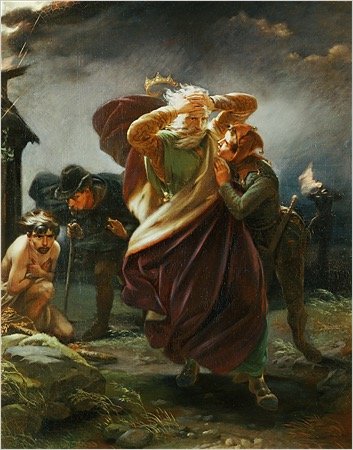
The Poetics of Power in Shakespeare’s “King Lear”
With King Lear, Shakespeare examines the ways in which humankind has manipulated its own stories in order to create arbitrary hierarchies that have no basis in nature; however, he is also coming to terms with the art of writing and theater by pondering how one can reconcile mankind’s rule over nature through a medium that exerts its own rule through its aim to represent it.

Museums and their Publics: Reconciling a History of Exclusion
An important factor in the success of museums today is its relevance—or lack thereof—to the “public.” With the rise of the museum has come the rise of the notion of democratic institutions, spaces that are both by and for the people, spaces that allow them to confront, debate and experiment with the world.
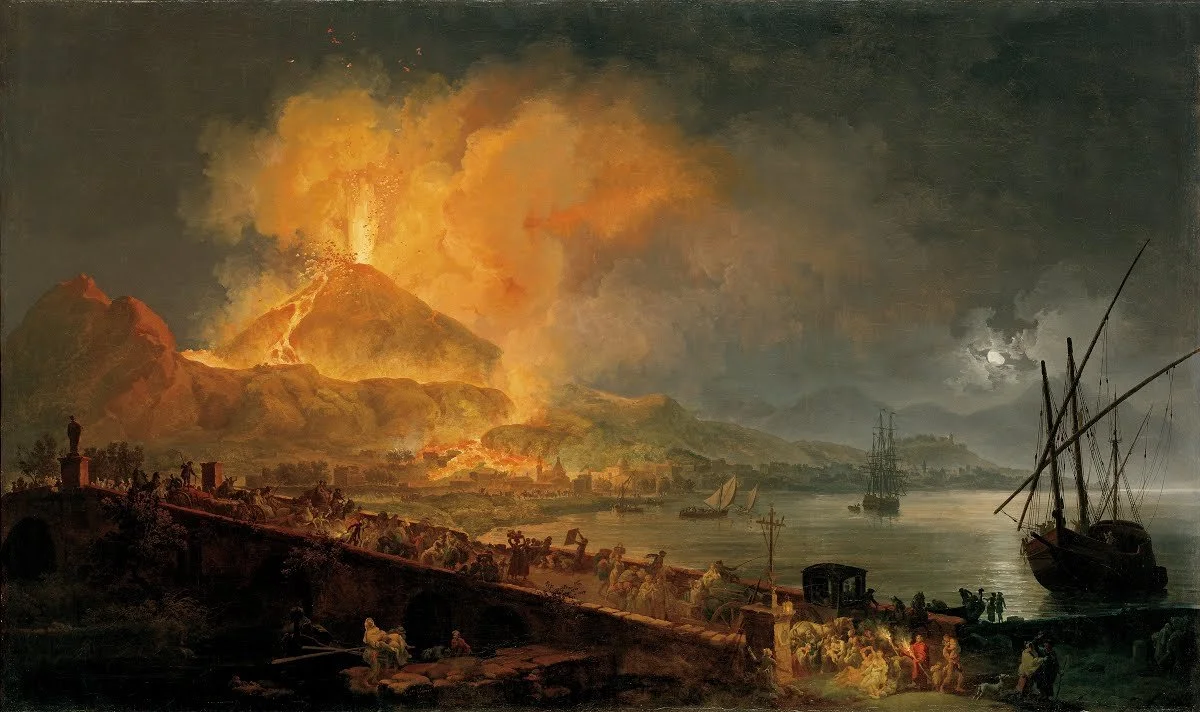
The Epic and Sublime: Modern Receptions of Pompeii
Modern portrayals of Pompeii go beyond that of the epic myth and turn into the sublime, combining the right amount of terror to transfix its audience with an added element of distance to turn it into aesthetic fascination.
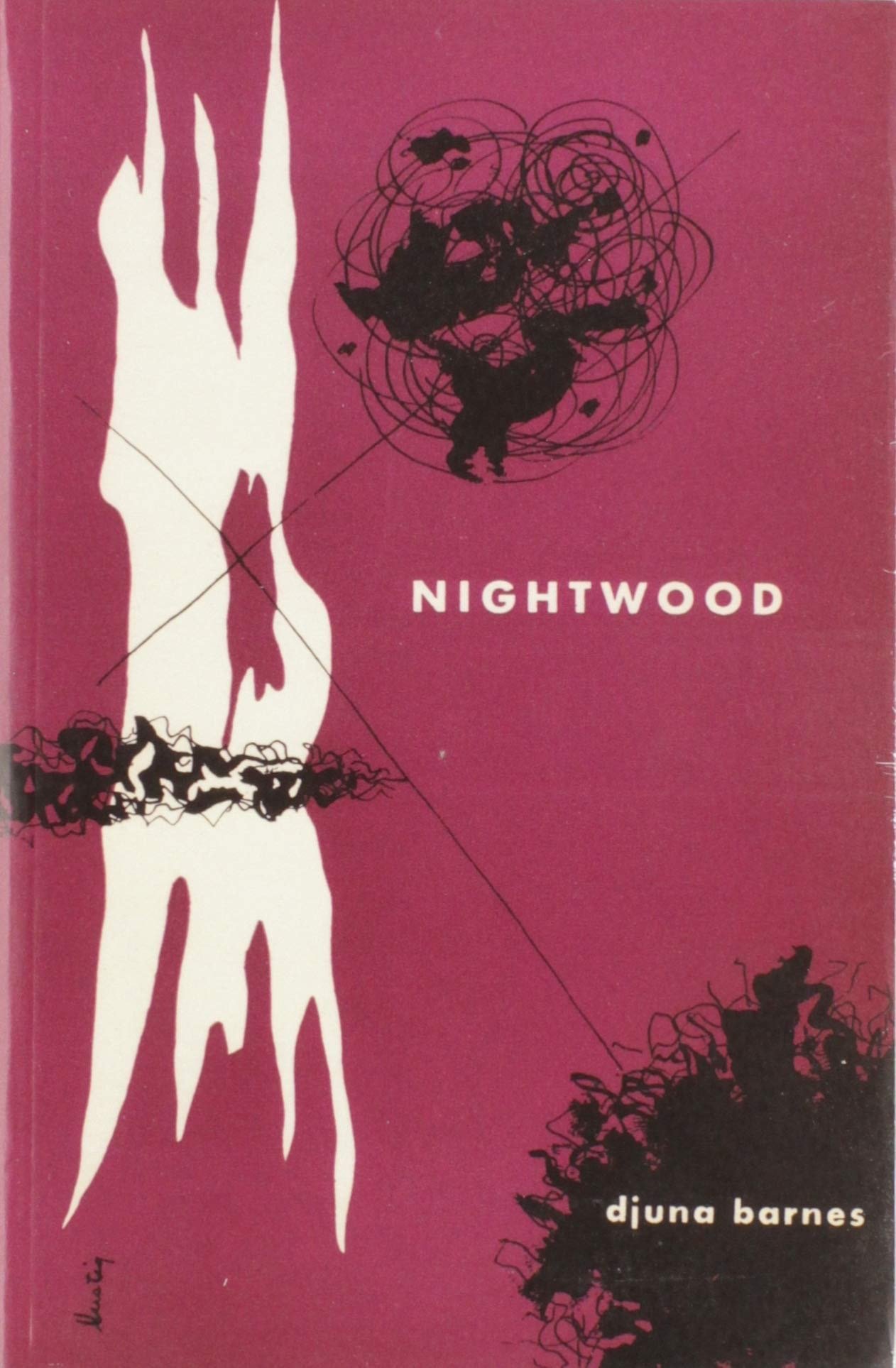
The Violence of Heteronormativity in Djuna Barnes’ "Nightwood"
Illustrating how Barnes shows heteronormativity as it aims to possess and stifle queerness, and can play out through a queer subject such as Nora.

Intersections of Race and Disability in Del and Sofia Samatar’s “Monster Portraits”
Engaging with concepts of identity, categorization, and hybridization that Samatar grapples with through her being mixed-race.
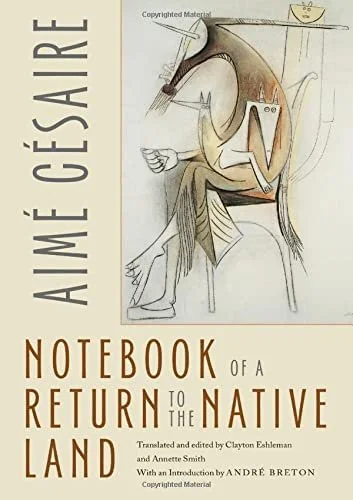
The Language of Memory in Aimé Césaire’s "Notebook of a Return to the Native Land"
In his work titled “Notebook of a Return to the Native Land,” Aimé Césaire uses language as a means of reclaiming the memories of Martinique and its people by shedding a light on its painful history and afterwards presenting a new way to move forward in light of this reality.

Metatheater in Shakespeare’s “Troilus and Cressida”
Uncovering a model of performativity; without the constant performance of these heroic figures, a loss of audience interest will bring the one thing a story is powerless against—oblivion.

The Commercialization of Relationships in Geoffrey Chaucer’s “The Shipman’s Tale”
Chaucer utilizes the genre of the fabliau to showcase the transactional natures of the main relationships as a means of critiquing the institution of marriage by making visible its commercialized aspects.

Choice and (In)Action in Two Time Travel Narratives
There are three versions of time travel most often used in science fiction—fixed timeline, dynamic timeline, and multi-verse timeline. This work looks at two works of science fiction and how they integrate fixed and dynamic timelines in their time travel narratives.

Postcolonial Art: Reclaiming Old Narratives and Creating New Ones
With decolonization efforts have risen new narratives, ones that come from the colonized and not just the colonizer, showing that there is more than just one side to a story, and opening up more possibilities for artists belonging to this group to explore what exactly it means to take back and control the narrative that has been cast upon them for so long.